
Does Your Homeowner's Insurance Match Your Estate Plan? The Overlooked Detail That Can Complicate a Claim
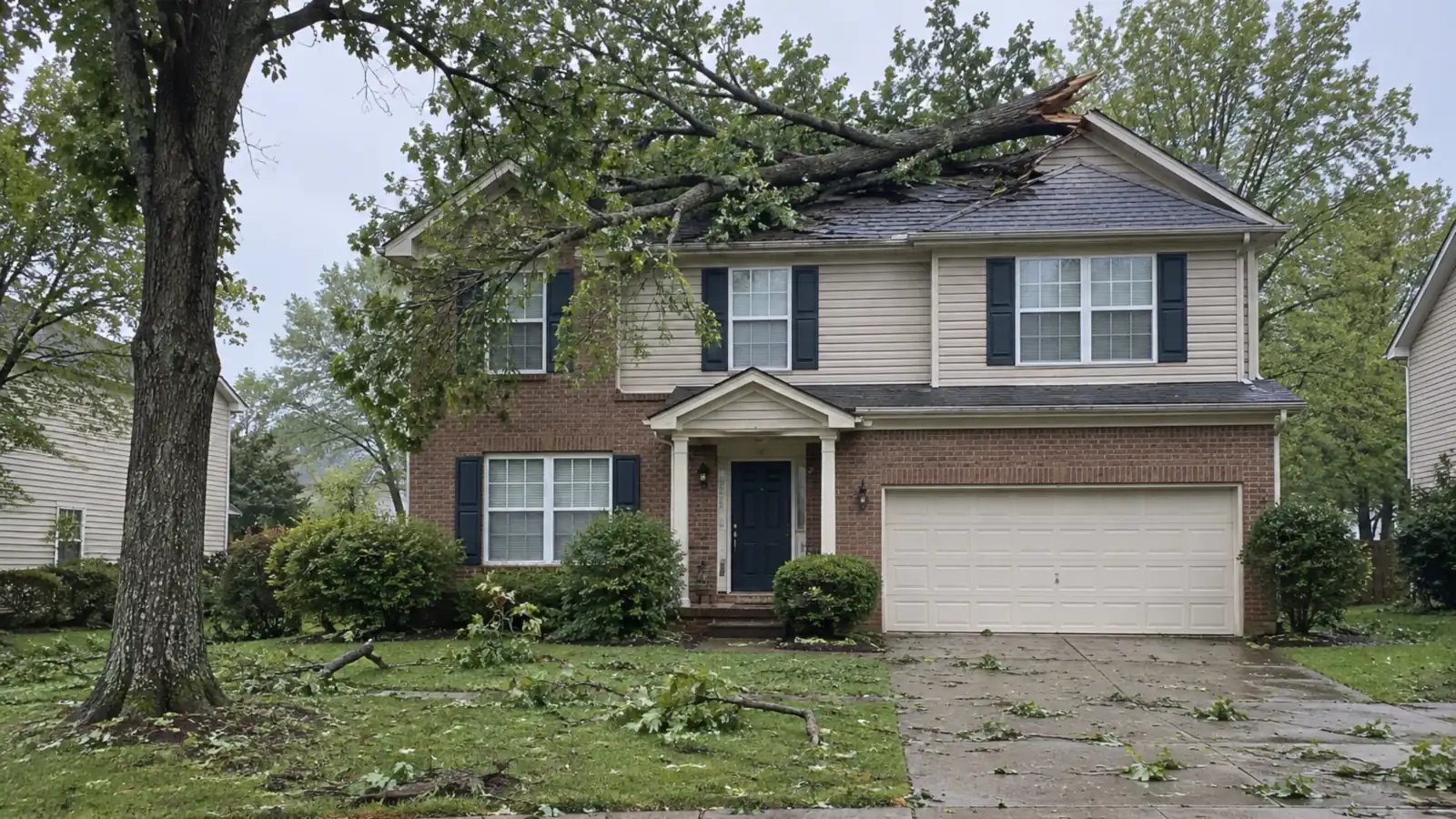
Imagine you’ve done everything right. You created a revocable living trust, signed the documents, and recorded a new deed moving your home into the trust. Then a spring storm sends an old oak through the roof. Your family calls the insurance company, only to hear a question nobody expected: “Who actually owns this house?”
We’ve written before about how quality documents can still fail when the work isn’t finished. Your homeowner’s insurance is another piece of that unfinished work. Once your home’s legal owner changes, your insurance policy may no longer line up with your estate plan, and that gap usually stays hidden until someone files a claim.
Why Would My Homeowner’s Insurance Need to Change If I Put My House in a Revocable Living Trust?
When you transfer your home into a revocable living trust in North Carolina, the trust (through its trustee) becomes the legal owner. Your daily life doesn’t change. You still live there, pay the mortgage, and make the decisions. On paper, though, the owner is different.
Your insurance policy, on the other hand, probably still lists only you as the named insured. Insurers write coverage based on who holds an ownership interest in the property, so a policy that doesn’t reflect the trust may leave the insurance company uncertain about whom it’s actually covering.
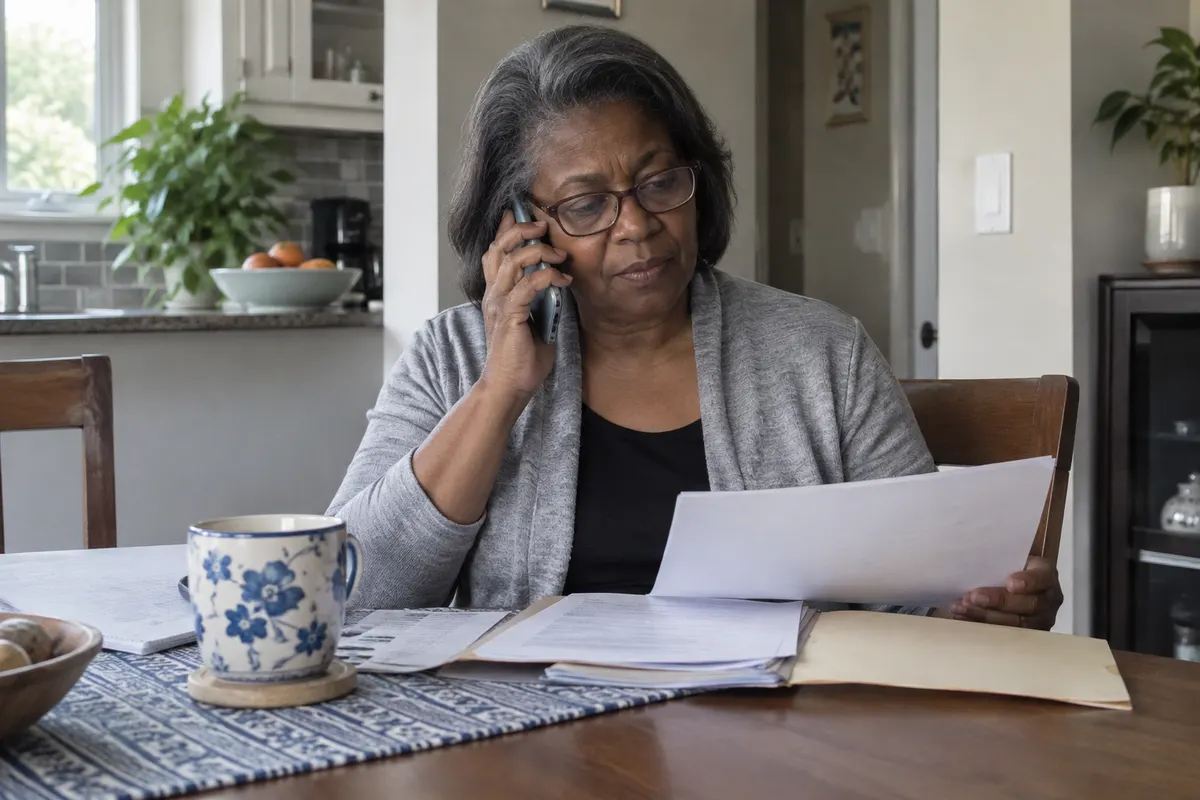
The good news is that the fix is usually simple. In most cases, one phone call to your insurance agent to add your trust as an additional insured makes all the difference. The problem is that this call often never happens. It’s easy to overlook in the middle of signing documents and recording deeds, and nothing prompts you to make it until a claim is already on the line. That’s why we treat insurance coordination as part of the planning process at Rasmussen Law, making sure this small step gets done rather than leaving it as an afterthought.
What Can Happen When Your Insurance Policy and Estate Plan Don’t Match?
In many cases, a mismatch leads to delays, extra paperwork, and requests for trust documents. In more difficult cases, it can lead to a disputed claim.
Now consider who is likely filing that claim. It often isn’t you. It may be your successor trustee after you’ve passed away, or an agent acting under your power of attorney while you’re recovering from an illness. These are the moments when your family has the least time and energy to argue with an adjuster about ownership and authority. The purpose of planning is to keep your family out of court and out of conflict, and that includes conflict with an insurance company.
A carefully coordinated plan gives your trustee or agent the authority and documentation they need before they ever pick up the phone. That preparation is what separates a plan that works from a stack of documents that only looks complete.
Does Homeowner’s Insurance Still Cover a Vacant Home After a Death?
This detail surprises almost everyone. Many homeowner’s policies limit or exclude certain types of coverage once a home has been vacant for a set period, often 30 or 60 consecutive days.
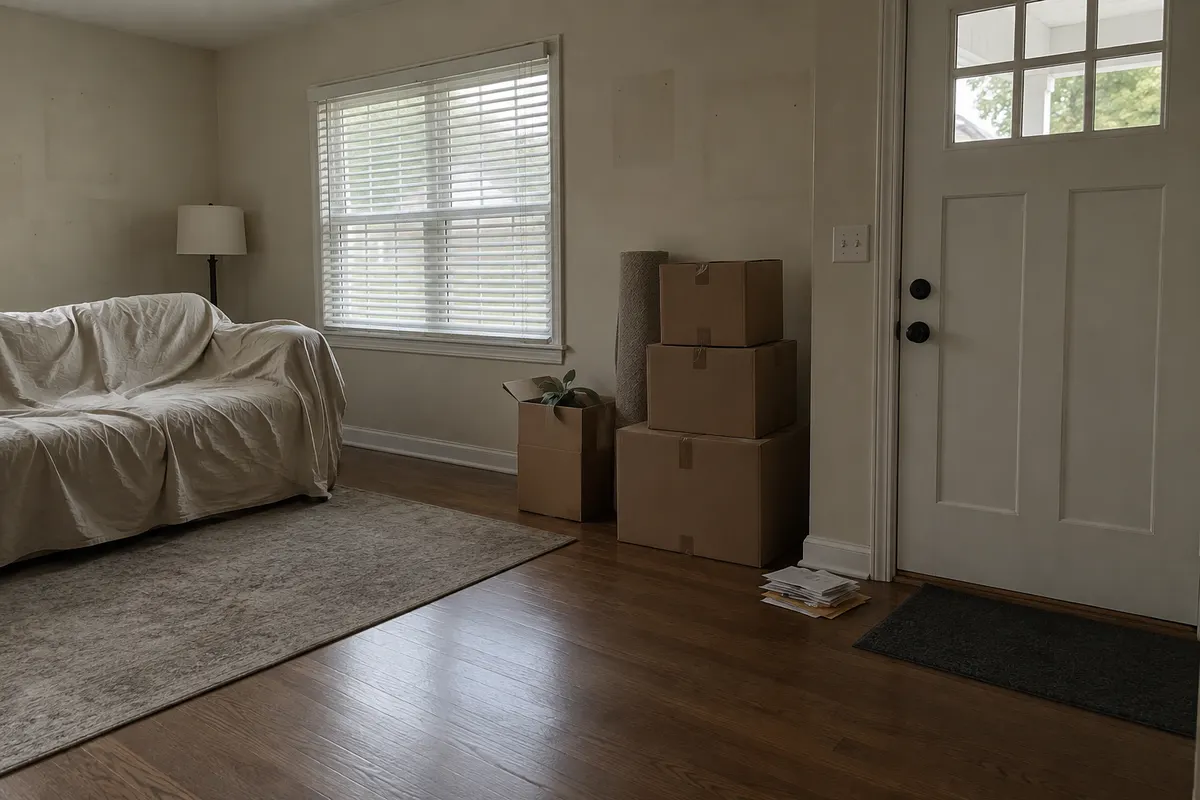
Homes frequently sit empty during trust or estate administration. Family members may live out of state, the house may need repairs before a sale, or everyone simply needs time to grieve. Meanwhile, the clock on a vacancy provision may already be running. How your successor trustee should protect a vacant home depends on your policy, your trust’s terms, and North Carolina’s rules for trust administration. These aren’t decisions a grieving family should be making for the first time under pressure, and they’re exactly the kind of situation we help families prepare for in advance.
Should a Rental Property Held in an LLC Have Its Own Insurance Policy?
If you own rental or investment property through an LLC, the same ownership mismatch can surface when a tenant is injured or the property suffers damage. Your landlord coverage, the LLC’s operating documents, and your estate plan all need to point in the same direction, and getting that alignment right involves legal questions about ownership, liability, and authority. Because an LLC is often part of both your asset protection and business planning, these pieces deserve a coordinated legal review rather than a piecemeal fix.
How Can Rasmussen Law Help Apex and Cary Homeowners Make Sure Their Estate Plan Actually Works?
At Rasmussen Law, we believe a plan only matters if it works when your family needs it. Trust funding in North Carolina doesn’t end with a recorded deed. It includes confirming that the surrounding pieces, like your homeowner’s policy and any landlord coverage, reflect the ownership decisions you’ve made.
You don’t need to sort through any of this on your own. We will help you through it, starting with your Life and Legacy Planning Session. We’ll review how your assets are titled, identify gaps between your plan and your coverage, and guide you through the right next steps to get everything set up correctly.
If you’re looking for estate planning in Apex, NC, or an estate planning attorney in Cary, NC, who looks beyond the documents, we’re here to help. Contact our team to schedule your Life and Legacy Planning Session today, or call Rasmussen Law at 919-335-6300 to make sure your plan is ready to protect the people you love.
This article provides general information and is not legal advice. Reading it does not create an attorney-client relationship.