

For most North Carolina families, a home is the single largest asset they own. It represents decades of mortgage payments, home improvements, and memories, and it's often the piece of the estate that families assume is "already taken care of." After all, your name is on the deed, and you have a will or a trust. What else is there to think about?
As it turns out, quite a lot. Homeowners across Apex, Cary, and the greater Triangle area often assume their home is automatically covered by their estate plan, when the title on the deed and the plan itself are actually two separate things that need to match. When they don't, the mismatch can undo years of careful planning. Understanding this mistake is the first step toward making sure your home actually does what you intend it to do.
Why Do North Carolina Homeowners Assume Their Home Already Matches Their Estate Plan?
It's an easy assumption to make. Many homeowners believe that because they have a will or a trust, or because they're married and everything is "joint," their home will simply pass to their spouse or children without complication. The plan exists, so surely the house is covered by it.
The reality is more complicated. A will or trust is only one part of the picture. How your home is titled, meaning whose names appear on the deed and in what capacity, determines whether your estate plan actually reaches that property when you become incapacitated or pass away. A will alone may not keep your home out of the North Carolina probate process, and even a well-drafted trust won't control a house that was never retitled in its name. Your heirs can end up navigating court involvement just to sell the property, at the exact moment they're least equipped to deal with it.
This is one of the reasons Estate Planning That Works has to include a close look at how real estate is titled, not just what the documents say. Your home carries its own set of considerations that generic planning advice often overlooks.
What Is The Titling Mistake That Can Undermine Your Estate Plan?
The mistake we see most often has nothing to do with the quality of a client's documents and everything to do with whether the deed was ever updated to match them. If you have a revocable living trust, but your home was never properly retitled into that trust, the trust won't actually control what happens to your house. This is one of the most common gaps we find when reviewing existing plans: quality documents that simply weren't finished, because a separate step, actually transferring the home's title, never happened.
Life changes add another layer. Marriages happen. Divorces happen. Children are born, blended families form, and once-simple ownership arrangements become tangled. A deed that made sense years ago might unintentionally leave a home to an ex-spouse, or leave children from a first marriage with no claim to it at all, regardless of what a parent's plan says. North Carolina law treats different forms of property ownership differently when it comes to what happens after death or incapacity, and a mismatch between your deed and your plan is rarely discovered until it's too late to fix.
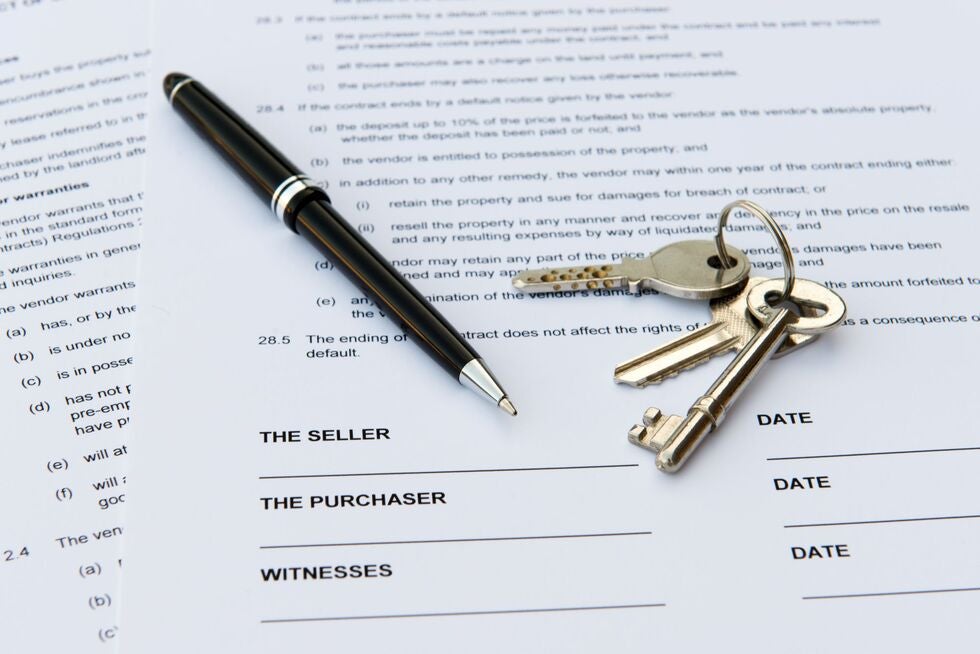
This is exactly why the Life & Legacy Planning approach we use at Rasmussen Law goes beyond drafting documents. During a Life and Legacy Planning Session, we take inventory of everything you own, including how your home and any other property are titled, and make sure every piece of your plan actually works together. A generic deed form found online won't catch this kind of gap, and a plan with the right paperwork but the wrong title on the deed can still send your family to probate court, often without anyone finding out until it's their turn to deal with it.
What About Titling For Rental And Investment Properties?
Homeowners who also own rental or investment property face an added layer of coordination. Investment real estate is often held differently than a primary residence, sometimes through an LLC or other business structure, and that ownership needs to align with your estate plan just as much as your own home does. Without that coordination, a rental property can end up stuck in probate or separated from the rest of your holdings in ways that complicate things for whoever inherits it. Helping real estate investors coordinate the titling of their properties with their broader estate and business planning is an area where our background as an estate planning practice proves especially useful, since it's a detail that's easy to overlook amid the day-to-day of managing tenants and properties.
What Should Homeowners And Real Estate Investors In Apex And Cary Do Next?
If you're a homeowner or property investor in Apex, Cary, or anywhere in Wake County, it's worth asking yourself a simple question: do you know how your properties are titled, and do you know whether that titling matches your estate plan? Most people can't answer that question with confidence, and that's not a personal failing. Property titling involves details that shift based on North Carolina law, your family structure, and the plan you've put in place, and getting it right requires more than a quick online search or a do-it-yourself deed form. And stay tuned for a future post about your insurance. Because if you think your home title not matching your plan is a problem, just imagine when you go to make a claim on your homeowner's insurance and the policy doesn't match your plan. These are critical details and should be planned out carefully.
This is precisely the kind of situation where working with a knowledgeable guide matters. At Rasmussen Law, we review how your home, your investment properties, and your other assets are titled as part of a comprehensive Life and Legacy Planning Session, so your plan actually protects your family when they need it most, not just looks good sitting in a drawer.
Don't wait until a life change or a family disagreement forces the issue. Contact our firm today at 919-335-6300 to schedule your Life and Legacy Planning Session, and let's make sure every property you own is titled in a way that supports the plan you've already made.


Comments
There are no comments for this post. Be the first and Add your Comment below.
Leave a Comment